
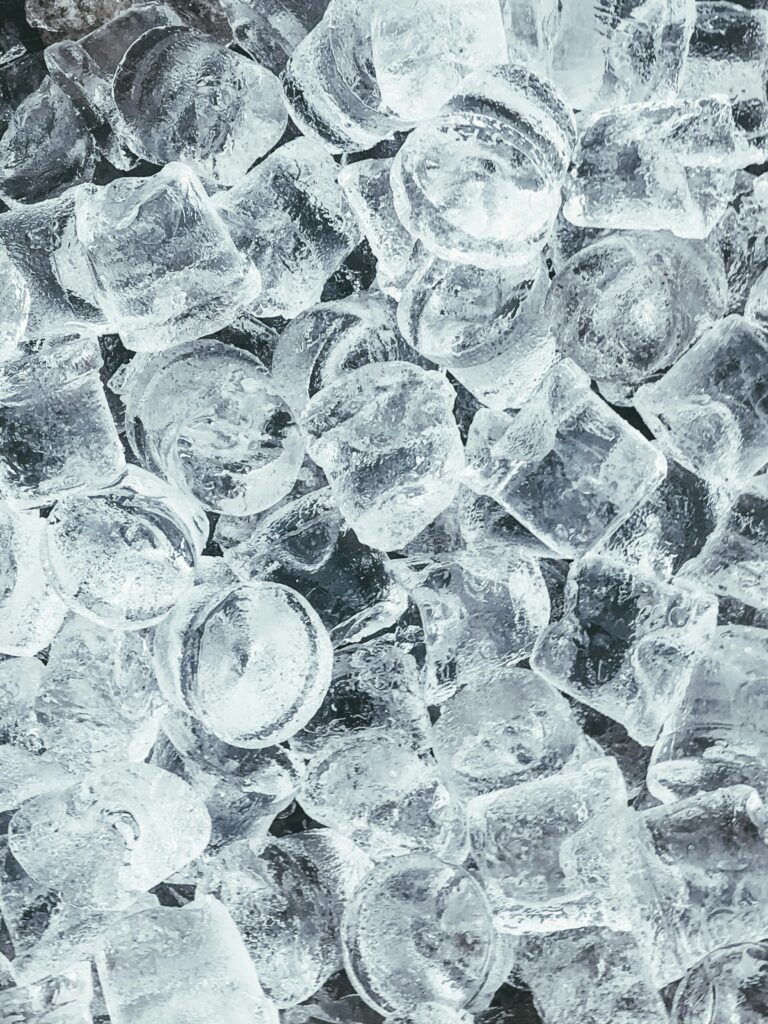
The Science, Benefits, and Practical Guide to Cold Plunges
Cold plunges—also known as cold water immersion—have surged in popularity over the past decade, evolving from a niche recovery technique used by elite athletes into a mainstream wellness practice embraced by fitness enthusiasts, entrepreneurs, and everyday health seekers. From icy lakes and specialized plunge tubs to simple cold showers, the appeal lies in the promise of improved recovery, sharper mental clarity, and even enhanced resilience.
But what exactly happens when you immerse your body in cold water? Are the benefits backed by science, or are they overstated trends? And how can you safely incorporate cold plunges into your routine?
This comprehensive guide explores everything you need to know.
What Is a Cold Plunge?
A cold plunge involves immersing the body in cold water, typically ranging from 10°C to 15°C (50°F to 59°F), for a short period—usually between 2 to 10 minutes. Some enthusiasts go colder, even approaching near-freezing temperatures, but that requires experience and caution.
Cold plunges can be done in various ways:
- Ice baths in tubs
- Natural bodies of water like lakes or oceans
- Purpose-built cold plunge pools
- Cold showers (a more accessible alternative)
The practice is often associated with contrast therapy, where cold exposure alternates with heat (such as saunas), but it can also be done independently.
The History Behind Cold Water Therapy
Cold exposure is far from a modern invention. It has roots in ancient cultures:
- Ancient Greece and Rome: Bathhouses included cold pools for recovery and stimulation.
- Nordic traditions: Alternating sauna sessions with icy water or snow exposure.
- Japanese Misogi: Ritual purification under cold waterfalls.
- Wim Hof Method: A modern approach combining cold exposure, breathing techniques, and mindset training.
Across cultures, cold water has long been associated with purification, resilience, and vitality.
What Happens to Your Body During a Cold Plunge?
When you enter cold water, your body undergoes several immediate physiological changes:
1. Cold Shock Response
Within seconds, your breathing becomes rapid and involuntary. Heart rate spikes, and blood vessels constrict. This is your body’s natural survival response.
2. Vasoconstriction
Blood vessels narrow, redirecting blood toward vital organs. This reduces inflammation in muscles and joints.
3. Release of Stress Hormones
Adrenaline and noradrenaline flood your system, increasing alertness and energy.
4. Endorphin Boost
Cold exposure can trigger the release of endorphins—your body’s natural “feel-good” chemicals.
5. Afterdrop and Rewarming
Once you exit the water, your body begins to rewarm itself, increasing circulation and delivering oxygen-rich blood back to tissues.
Key Benefits of Cold Plunges
1. Faster Muscle Recovery
One of the most well-known benefits is reduced muscle soreness after exercise. Cold plunges help:
- Decrease inflammation
- Reduce delayed onset muscle soreness (DOMS)
- Speed up recovery time
This is why many athletes use ice baths after intense training sessions.
2. Improved Circulation
The alternating constriction and dilation of blood vessels improves circulation over time. This can lead to:
- Better oxygen delivery
- Improved cardiovascular efficiency
- Enhanced overall vascular health
3. Mental Resilience and Discipline
Stepping into cold water is uncomfortable—there’s no way around it. But repeatedly facing that discomfort can:
- Build mental toughness
- Improve stress tolerance
- Strengthen discipline
Many people report feeling more capable of handling daily challenges after consistent cold exposure.
4. Mood Enhancement and Reduced Anxiety
Cold plunges can significantly impact mental health by:
- Increasing dopamine levels (sometimes up to 2–3 times baseline)
- Reducing symptoms of anxiety and mild depression
- Promoting a sense of calm after the initial shock
The combination of endorphins and adrenaline creates a natural mood boost that can last for hours.
5. Boosted Immune Function
Some studies suggest that regular cold exposure may:
- Increase white blood cell count
- Improve immune response
- Reduce frequency of common illnesses
While more research is needed, anecdotal evidence is strong.
6. Better Sleep
Though it might seem counterintuitive, cold plunges can improve sleep quality by:
- Lowering core body temperature
- Promoting relaxation after rewarming
- Regulating circadian rhythms
Timing matters—doing it earlier in the day tends to be more effective for sleep benefits.
7. Fat Loss and Metabolism
Cold exposure activates brown fat, a type of fat that burns calories to generate heat. This can:
- Increase metabolic rate
- Support fat loss (when combined with diet and exercise)
However, cold plunges alone won’t replace a proper fitness routine.
Potential Risks and Who Should Avoid It
Cold plunges are generally safe when done correctly, but they’re not for everyone.
Risks include:
- Hypothermia (with prolonged exposure)
- Cold shock drowning (if breathing isn’t controlled)
- Heart strain in individuals with cardiovascular conditions
Avoid or consult a doctor if you have:
- Heart disease
- High blood pressure
- Respiratory conditions
- Circulatory disorders
Always prioritize safety over intensity.
How to Start Cold Plunging (Beginner’s Guide)
If you’re new, don’t jump straight into ice baths. Ease into it.
Step 1: Start with Cold Showers
- Begin with warm water
- Gradually reduce temperature over 30–60 seconds
- Stay in cold water for 30 seconds to 2 minutes
Step 2: Progress Gradually
- Increase duration over time
- Lower temperature gradually
Step 3: Try Ice Baths
- Fill a tub with cold water
- Add ice to reach around 10–15°C
- Start with 2–3 minutes
Step 4: Focus on Breathing
- Slow, controlled breaths
- Avoid panic breathing
- Stay calm and relaxed
Best Practices for Cold Plunges
- Consistency over intensity: Regular short sessions are better than rare extreme ones
- Listen to your body: Discomfort is normal, pain is not
- Warm up naturally: Avoid hot showers immediately after; let your body reheat itself
- Stay hydrated: Cold exposure still stresses the body
- Use a timer: Prevent overexposure
Cold Plunge vs Cold Shower
| Feature | Cold Plunge | Cold Shower |
|---|---|---|
| Intensity | High | Moderate |
| Accessibility | Requires setup | Very easy |
| Recovery benefits | Strong | Moderate |
| Mental challenge | Greater | Lower |
Cold showers are a great starting point, but cold plunges provide deeper physiological effects.
When Should You Do a Cold Plunge?
Timing depends on your goals:
- After workouts: For recovery
- Morning: For energy and alertness
- Midday: For mental reset
Avoid cold plunges immediately after strength training if your goal is muscle growth, as it may slightly reduce hypertrophy signals.
Cold Plunges and Heat Therapy
Combining cold plunges with saunas (contrast therapy) can amplify benefits:
- Improved circulation
- Faster recovery
- Enhanced relaxation
A typical routine:
- 10–15 minutes sauna
- 2–5 minutes cold plunge
- Repeat 2–3 times
Psychological Impact: Why People Get Hooked
Cold plunging is as much mental as it is physical.
People often describe:
- A sense of accomplishment
- Increased confidence
- A “reset” feeling after each session
This psychological reward is a big reason why many stick with the practice long-term.
Common Myths About Cold Plunges
Myth 1: “Colder is always better”
Not true. Extremely cold temperatures can be dangerous and aren’t necessary for benefits.
Myth 2: “Longer is better”
Most benefits occur within a few minutes. Staying too long increases risk.
Myth 3: “It replaces exercise”
Cold plunges support recovery—they don’t replace physical activity.
Who Benefits Most?
Cold plunges are particularly useful for:
- Athletes and active individuals
- People with high stress levels
- Those seeking mental discipline
- Individuals looking to improve recovery
Building a Sustainable Routine
A realistic weekly plan:
- Beginners: 2–3 times per week, 1–3 minutes
- Intermediate: 3–5 times per week, 3–5 minutes
- Advanced: Daily, up to 10 minutes
Consistency matters more than pushing extremes.
Final Thoughts
Cold plunges are one of the simplest yet most powerful tools for improving both physical and mental well-being. They require minimal equipment, take only a few minutes, and deliver a wide range of benefits—from faster recovery and improved circulation to stronger mental resilience and better mood.
That said, they’re not a magic solution. The best results come when cold plunges are combined with:
- Proper nutrition
- Regular exercise
- Quality sleep
- Stress management