
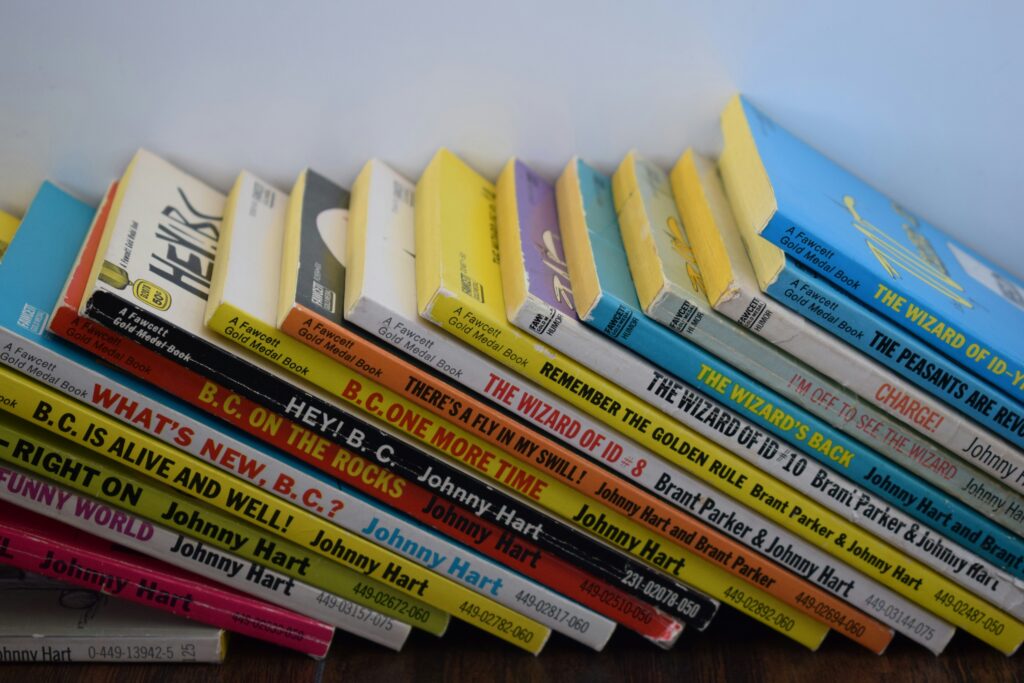
The Powerful Benefits of Reading Regularly
In a fast-paced, technology-driven world where short videos and instant information dominate attention, the simple habit of reading is often overlooked. Yet reading remains one of the most powerful and accessible tools for personal growth, mental development, and overall well-being. Whether it’s books, articles, or thoughtful essays, reading regularly has profound benefits that extend far beyond entertainment.
This article explores the many advantages of reading consistently—from improving brain function and expanding knowledge to enhancing emotional intelligence and supporting long-term success.
1. Strengthens Brain Function
Reading is like a workout for your brain. When you read, your mind actively processes language, imagines scenarios, interprets meanings, and connects ideas. This constant mental activity strengthens neural connections and keeps your brain sharp.
Studies have shown that regular reading can improve memory, concentration, and critical thinking skills. It engages multiple parts of the brain at once, including those responsible for comprehension, reasoning, and visualization. Over time, this mental stimulation helps slow cognitive decline and may even reduce the risk of conditions like dementia.
2. Expands Knowledge and Awareness
One of the most obvious benefits of reading is the knowledge it provides. Every book or article introduces new ideas, perspectives, and information. Whether you’re reading about history, science, business, or personal development, you’re constantly learning.
Reading exposes you to experiences and viewpoints beyond your own environment. It helps you understand different cultures, lifestyles, and ways of thinking. This broader awareness not only makes you more informed but also more adaptable and open-minded.
3. Improves Vocabulary and Communication Skills
Regular reading naturally improves your vocabulary. As you encounter new words in context, you begin to understand their meanings and how to use them effectively. This process happens almost effortlessly over time.
A stronger vocabulary leads to better communication skills. You become more confident in expressing your thoughts, both in writing and in conversation. Whether in professional settings, academic work, or daily interactions, the ability to communicate clearly and effectively is a major advantage.
4. Enhances Focus and Concentration
In an age of constant distractions—notifications, social media, and multitasking—many people struggle to maintain focus. Reading helps train your mind to concentrate for extended periods.
When you read a book, you immerse yourself in a single task. Unlike scrolling through a phone, reading requires sustained attention. Over time, this improves your ability to focus not just on reading, but on other tasks as well, such as studying, working, or problem-solving.
5. Boosts Imagination and Creativity
Reading stimulates your imagination in ways that passive forms of entertainment cannot. When you read a story, you create mental images of characters, settings, and events. Your brain fills in the details, making the experience personal and engaging.
This imaginative process enhances creativity. It encourages you to think beyond the obvious, explore possibilities, and develop original ideas. Whether you’re an artist, entrepreneur, student, or professional, creativity is a valuable skill that reading helps cultivate.
6. Reduces Stress and Promotes Relaxation
Reading can be a powerful way to relax and unwind. Getting lost in a good book allows you to escape from daily stress and shift your focus to something enjoyable and calming.
Research suggests that reading can significantly reduce stress levels, sometimes more effectively than activities like listening to music or going for a walk. Even a few minutes of reading can slow your heart rate and ease tension in your muscles.
Incorporating reading into your daily routine—especially before bedtime—can help you relax and improve sleep quality.
7. Improves Emotional Intelligence and Empathy
Reading, especially fiction, allows you to step into the lives of different characters. You experience their emotions, challenges, and perspectives. This process helps develop empathy—the ability to understand and share the feelings of others.
By seeing the world through different viewpoints, you become more emotionally aware and better at handling relationships. This improved emotional intelligence can benefit both personal and professional interactions.
8. Strengthens Analytical Thinking
Reading encourages you to think critically. As you follow a story or argument, you analyze situations, predict outcomes, and evaluate information.
For example, when reading a mystery novel, you may try to solve the problem before the characters do. When reading non-fiction, you assess the validity of ideas and arguments. This kind of mental engagement strengthens your analytical and reasoning skills.
9. Enhances Writing Skills
Good readers often become good writers. Reading exposes you to different writing styles, sentence structures, and ways of expressing ideas.
Over time, you begin to absorb these patterns and apply them in your own writing. Whether you’re writing essays, reports, emails, or creative content, regular reading helps improve clarity, flow, and effectiveness.
10. Supports Personal Growth and Self-Development
Many books focus on self-improvement, motivation, and life strategies. Reading such material can provide valuable insights into goal-setting, discipline, habits, and mindset.
It allows you to learn from the experiences and knowledge of others without having to go through the same challenges yourself. This can accelerate your personal growth and help you make better decisions in life.
11. Increases Discipline and Patience
Reading regularly requires commitment. Unlike quick entertainment, books take time and effort to complete. Developing a reading habit builds discipline and patience.
Finishing a book gives a sense of accomplishment and encourages consistency. These qualities often carry over into other areas of life, such as work, fitness, and personal goals.
12. Improves Mental Health
Reading can have a positive impact on mental health. It provides a healthy escape from negative thoughts and worries. For some, it serves as a form of therapy—often referred to as bibliotherapy.
Books can offer comfort, inspiration, and reassurance during difficult times. They remind you that you’re not alone in your struggles and that solutions and hope exist.
13. Encourages Lifelong Learning
Reading fosters a mindset of continuous learning. It keeps your curiosity alive and motivates you to explore new topics and skills.
In a rapidly changing world, the ability to learn and adapt is essential. Reading helps you stay informed, relevant, and prepared for new opportunities.
14. Improves Memory
When you read, you need to remember characters, events, facts, and details. This constant recall strengthens your memory over time.
Your brain forms new connections as you link information together. This improves both short-term and long-term memory, which is beneficial in everyday life as well as academic and professional settings.
15. Builds Confidence
As your knowledge, vocabulary, and communication skills improve, so does your confidence. You feel more capable of participating in discussions, sharing ideas, and expressing opinions.
Reading also gives you a sense of achievement, especially when completing challenging books. This boosts self-esteem and motivates you to take on new challenges.
16. Provides Entertainment Without Negative Effects
Reading is a form of entertainment that doesn’t rely on screens or overstimulation. It allows you to enjoy stories, learn new things, and relax without the negative effects often associated with excessive screen time.
It’s a healthier alternative that engages your mind while still being enjoyable.
17. Strengthens Decision-Making Skills
By exposing you to different scenarios, experiences, and perspectives, reading helps you think more deeply about choices and consequences.
You learn to evaluate situations more carefully, consider multiple viewpoints, and make informed decisions. This skill is valuable in both personal and professional life.
18. Creates Better Habits and Routines
Incorporating reading into your daily routine can lead to other positive habits. For example, reading before bed instead of using your phone can improve sleep and reduce stress.
Small, consistent reading habits can build discipline and encourage a more structured and productive lifestyle.
How to Build a Reading Habit
While the benefits of reading are clear, many people struggle to make it a regular habit. Here are a few simple tips to get started:
- Start small: Begin with 10–15 minutes a day.
- Choose interesting material: Read topics you genuinely enjoy.
- Set goals: Aim to finish a certain number of pages or books each month.
- Create a routine: Read at the same time every day.
- Limit distractions: Find a quiet space to focus.
- Carry a book: Use spare time to read instead of scrolling.
Reading regularly is one of the most powerful habits you can develop. It strengthens your brain, expands your knowledge, improves your communication skills, and supports emotional and mental well-being. It enhances creativity, builds discipline, and equips you with the tools needed for personal and professional success.
In a world full of distractions, reading offers something rare: deep focus, meaningful learning, and lasting growth. It’s not just a hobby—it’s an investment in yourself.
By making reading a regular part of your life, you open the door to endless possibilities. Every page you turn is a step toward becoming more informed, more thoughtful, and more capable.